Mary Cardwell Dawson
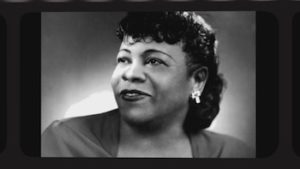 Background Information
Mary Cardwell Dawson studied at the New England Conservatory of Music and graduated in 1925. She started the National Negro Opera Company in 1941 after she was elected president of the National Association of Negro Musicians from her success with her Cardwell Dawson School of Music, which was aimed to introduce the genre of opera music to African Americans.
An Important Theme
The theme of race relations is very prevalent in the play The Passion of Mary Cardwell Dawson, as well as in her own life. She was a very important figure at the beginning of the Civil Rights Era. She helped the involvement of Classical music within the African American community to rise to great lengths. Due to the segregation that resulted from the Jim Crow laws, many places that had performances of Classical music required African Americans to sit in certain places. Mary Cardwell Dawson would not allow this in a venue where she would have a performance. She was going to have one at an outdoor venue but the weather became very bad. Because of this, she attempted to get in at a performance hall but they would require African Americans to sit in different places than white people. She was very against this so she decided that they would perform at the outdoor venue regardless. Luckily the weather cleared by the time it was time for them to perform.
Connections with Modern Times
There are many people who face challenges when trying to achieve their dreams in the modern age. It is especially difficult to be a minority in this challenge. There are barriers that are apparent in all forms of the arts, but relating back to the play, music specifically has many hurdles. There are some "cultural norms" that greatly influence the barriers that have been placed. One, for example, is the idea that certain forms and genres of music are "white people music" such as Classical music, and in Mary Cardwell Dawson's case, Opera. This creates hurdles for communities such as the African American community to be accepted in these fields of art. If we end the ideas of "white people music" or "black people music" we can eliminate a lot of the hurdles and barriers that minority communities have to face. Understanding these struggles of people like Mary Cardwell Dawson can help move us forward and create a better community within the arts, as well as a better society overall.


Hi Andrew!
ReplyDeleteI enjoyed your post about Dawson and her impact and history. I did notice the comment of opera/classical music being "white people" music when we saw the performance, however I don't think I processed as being such a big deal until I read your take on it.
As a lot of people describe it, classical music was all written and produced by dead white men. When it was written it wasn't inclusive to people of other races or even women, so the discrimination starts from the root. Black composers are more prominent today and making beautiful work that is able to be performed by any race and gender. This is a big step since the 1950's when Dawson started her fight for inclusion, she started the progress we made to get rid of the stereotype that opera is only for white people. Thank you for your insight!